
- /
- /
June 11, 2026
Affordable Home Maintenance: DIY Tips to Prevent Costly Repairs
Most homeowners don’t think about the furnace until it stops working in January, or the gutters until water is pooling against the foundation. That delay is expensive. The repairs that wipe out savings accounts are almost always problems that started small—a clogged drain, a worn seal, a filter that never got changed. This guide gives you a realistic, cost-anchored plan to stay ahead of those failures without spending every weekend on a ladder.
1. Why Preventative Maintenance Saves Thousands—The Real Math
The case for regular maintenance isn’t abstract. A $200 HVAC tune-up can prevent a $2,000 system replacement. A $300 gutter cleaning, if skipped for two or three seasons, can cascade into roof damage, water intrusion, and mold remediation that costs $5,000 or more. The small cost up front consistently beats the emergency cost later.
A practical rule of thumb for annual maintenance budgeting:
- New homes (under 5 years old): Budget 1% of home value per year
- Older homes: Add 0.5% for every 5 years of age beyond that baseline
- Example: A $150,000 home = roughly $150/month; a $300,000 home = $300–$400/month
That money isn’t wasted—it’s also paying for energy savings. Homes with properly maintained systems run 5–15% more efficiently, and well-serviced appliances last 3–5 years longer than neglected ones. Preventative maintenance is one of the few household expenses that genuinely pays you back.
2. Monthly Maintenance: 15 Minutes, Zero Excuses
You don’t need to set aside a full Saturday. The most impactful monthly tasks take about 15 minutes total. Build them into a regular routine—first weekend of the month works well for most households.
Monthly Checklist
- HVAC filter: Pull it out and hold it up to light. If it looks gray and dense, replace it. Filters run $15–$30 and a clogged filter forces your system to work harder, driving up your energy bill and shortening compressor life.
- Gutters and downspouts: Walk the perimeter and look for visible debris or sagging. After heavy rain, check that water is draining away from the foundation, not pooling against it.
- Under-sink plumbing: Open cabinet doors beneath every sink and toilet. Look for water stains, soft spots in the cabinet floor, drips from supply lines, or corrosion on the shutoff valve. Catching a slow leak early costs nothing to fix with a wrench and a washer.
- Water heater sediment flush: Attach a garden hose to the drain valve and release a gallon or two. Sediment buildup forces the heater to work harder and shortens its lifespan. This takes 5 minutes and extends water heater life by 3–5 years.
- Dryer lint trap and vent duct: Clean the lint trap before every load. Quarterly, disconnect the vent hose from the back of the dryer and vacuum it out. A clogged dryer vent is the leading cause of appliance fires and adds 20–30 minutes to every drying cycle.
- Caulk around tubs, showers, and sinks: Look for cracks, gaps, or discoloration. Cracked caulk lets water work behind tile and into wall framing. Recaulking takes 20 minutes and a $6 tube of silicone caulk.
- Mold and mildew in bathrooms: Scrub grout and tile monthly. White vinegar in a spray bottle or diluted bleach (1 part bleach to 10 parts water) handles most surface mold before it gets into the grout permanently.
3. Seasonal Deep-Maintenance Checklist
Monthly tasks keep problems from starting. Seasonal tasks catch what develops slowly over time. Group these by season so you’re not doing everything at once.
Spring
- Power-wash exterior siding to remove algae and grime that degrades paint
- Inspect the roof from the ground with binoculars—look for missing shingles, lifted flashing, or granules in the gutters
- Trim tree branches so they’re at least 10 feet from the roof line
- Check window and door caulk for winter damage; re-apply where cracked or missing
Summer
- Service the air conditioner before peak heat—ideally in May before demand spikes and contractor schedules fill up
- Clean window AC unit filters every 2–3 weeks during heavy use
- Inspect the foundation perimeter for new cracks or signs of settling
Fall
- Clean gutters twice: once in mid-fall after most leaves have dropped, once before first freeze
- Have HVAC serviced for the heating season—technicians are less busy and scheduling is easier in September or October
- Replace worn weatherstripping around exterior doors; seal visible gaps with caulk
Winter
- Check basement and crawl space for standing water or moisture after heavy rain or snowmelt
- Insulate pipes in unheated spaces (garage, crawl space, exterior walls) to prevent freezing
- Monitor heating bills—a sudden spike often signals an efficiency problem with the furnace or ductwork
Cost-saving tip: Buy seasonal supplies in bulk. One trip to the hardware store for caulk, weatherstripping, and furnace filters covers the whole season. Renting a ladder stabilizer ($10–$15/day) makes gutter cleaning safer and faster if you don’t own one.
4. High-Impact DIY Fixes Under $100
These repairs don’t require trade skills. They require a YouTube search, basic tools, and a couple of hours. Each one prevents a disproportionately expensive failure if ignored.
Seal Air Leaks — $25–$45 in Materials
A tube of exterior caulk ($10–$15) and a roll of door weatherstripping ($15–$30) can cut heating and cooling costs by $100–$200 per year in a drafty home. Run your hand around window frames and door edges on a cold day to find the leaks. Seal outlets and light switches on exterior walls with foam gaskets behind the cover plate ($2–$5 per outlet).
Clear Slow Drains — $0–$25
Pour one cup of baking soda followed by one cup of white vinegar down the drain, wait 30 minutes, and flush with hot water. This clears early-stage buildup before it becomes a full clog. For more stubborn blockages, a drain snake or auger ($15–$25) handles most bathroom and kitchen clogs that would otherwise cost $150–$300 for an emergency plumber call.
Paint or Stain Exterior Wood — $50–$80
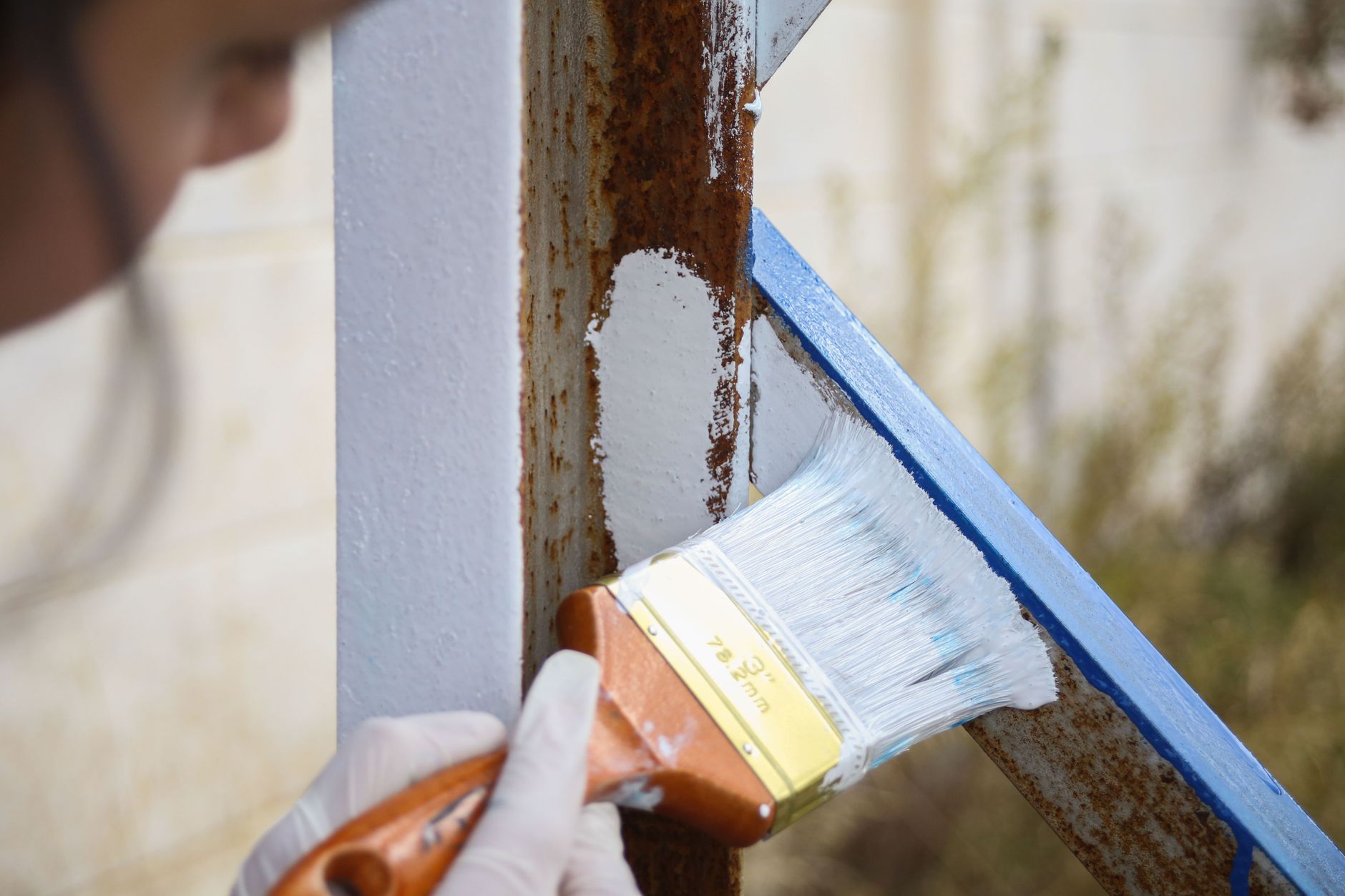
Fence boards, shed siding, and wood trim that are left bare or with peeling paint absorb moisture and rot. A fresh coat of exterior paint or stain every 3–5 years costs $50–$80 in materials and extends the life of the wood by 5 or more years. Rotten wood replacement runs $300–$1,500 depending on location and scope.
Patch Drywall Holes — $8–$15
Small holes and nail pops aren’t just cosmetic. Unsealed drywall can absorb moisture from nearby plumbing or HVAC condensation. A tub of spackling compound ($8), sandpaper, and 20 minutes is all it takes for holes under 2 inches.
Replace Outlet and Switch Covers — $2–$5 Each
Cracked or broken covers are a minor safety issue on interior walls. On exterior or bathroom walls, they’re a moisture entry point. Takes 5 minutes with a screwdriver—no electrical knowledge needed.
Resource tip: The Family Handyman YouTube channel and Home Repair Tutor both offer free, clear video walkthroughs for all of these tasks. Manufacturers of caulk, weatherstripping, and patching compounds also publish step-by-step guides on their websites. Start with the lowest-stakes project to build confidence before moving to anything more involved.
5. When to Call a Pro—Don’t Cut Corners Here
DIY has real limits. Getting this wrong doesn’t just mean a bad outcome—it means a dangerous or far more expensive one. These categories are worth paying for professional work:
- Electrical work beyond switches and outlets: Panel upgrades, new circuits, and any work inside the breaker box carry serious fire and electrocution risk. Improper wiring also fails inspections and can void homeowner’s insurance claims.
- Sewer lines and main water supply repairs: An incorrect repair here can flood a crawl space or cause sewage backup. The cost to fix a bad DIY repair is typically 2–3x the original professional quote.
- HVAC refrigerant work: Handling refrigerants requires an EPA Section 608 certification. Attempting it without that certification is illegal and can damage the system.
- Roof repairs above single-story height: Falls from roofs are among the leading causes of serious injury for homeowners. Improper flashing or shingle placement also leads to water intrusion that isn’t visible for months.
- Structural issues: Foundation cracks that are widening, beams showing rot, or floors that are noticeably soft or uneven need a licensed contractor’s eyes before any repair. A $400 structural inspection can prevent a $20,000 mistake.
- Gas appliances: If a furnace or water heater is behaving erratically—especially a pilot light that keeps going out—call a licensed technician. Gas leaks are not negotiable.
Professional preventative maintenance—an annual HVAC tune-up, chimney cleaning, or plumbing inspection—costs $200–$400 per visit. An emergency repair call for the same system typically runs 3–5x more, and that’s before accounting for any damage the failure caused.
6. Build Your Emergency Repair Fund—A Realistic Timeline
Even with perfect preventative maintenance, things break. A repair fund keeps a failed water heater from becoming a credit card debt problem.
How Much to Save
- New or well-maintained home: 1% of home value per year ($1,500/year on a $150,000 home = $125/month)
- Home 15+ years old: 2–3% annually; more if the climate is harsh or systems haven’t been regularly serviced
- Rule of thumb range: $250–$800/month depending on home age, condition, and location
How to Build It
- Set up an automatic monthly transfer to a dedicated high-yield savings account. Separate from your regular savings so it isn’t spent on other things.
- Route tax refunds, annual bonuses, or any windfall income directly into the fund until you hit 3–6 months of estimated annual maintenance costs.
- After the first year of tracking actual repair spending, you’ll have real data to refine the budget—roof repairs tend to cluster, HVAC work is seasonal, and plumbing calls spike in winter.
On Home Warranties
Home warranties cost $50–$150/month and cover repair or replacement of specific systems and appliances. They make financial sense for homes 15 years or older where the HVAC, water heater, or appliances are approaching end of life. For newer homes with healthy systems, a dedicated savings fund usually provides better value and flexibility.
7. Energy-Efficient Maintenance That Cuts Bills 10–20%
Several maintenance tasks overlap directly with energy savings. Done consistently, these can reduce monthly utility bills by 10–20%—money that compounds over years.
Quick Energy-Saving Tasks by Cost
- Replace HVAC filters on schedule ($15–$30 every 1–3 months): A clogged filter reduces airflow and causes the system to run longer to reach the target temperature, increasing energy use by up to 15%. Homes with pets or anyone with allergies should replace filters monthly.
- Clean refrigerator coils quarterly ($0): Unplug the fridge, pull it from the wall, and vacuum the coils on the back or bottom. Dust-covered coils reduce cooling efficiency by up to 25% and shorten the compressor’s lifespan. Takes 10 minutes.
- Insulate exposed hot water pipes ($10–$20): Foam pipe sleeves from any hardware store reduce standby heat loss by up to 25% on pipes running through unheated spaces. Cuts the time you wait for hot water at the tap, too.
- Install a programmable or smart thermostat ($100–$300 installed): Setting back the temperature 7–10°F for 8 hours a day saves about 10% on heating and cooling costs annually. Most smart thermostats pay for themselves in 3–6 months.
- Seal outlet and baseboard gaps with expandable foam ($8/can): Exterior-wall outlets and baseboards are common air infiltration points. Foam seals them without any renovation work.
- Add weatherstripping to attic access hatches and basement windows ($15–$30 total): These are frequently overlooked and can account for 5–10% of total heating and cooling loss in older homes.
8. Tools and Knowledge to Start DIY—Build as You Go
You don’t need a fully stocked workshop to handle most home maintenance tasks. Start with the basics and add tools only when a specific project requires them.
Starter Toolkit (~$40–$60 total)
- Hammer
- Flathead and Phillips screwdrivers (or a multi-bit set)
- Adjustable wrench
- Caulk gun
- Utility knife
- Flashlight or headlamp
Add as Projects Come Up
- Plunger and drain snake/auger ($15–$25)
- Non-contact voltage tester ($15–$20)—essential before touching any electrical work
- Stud finder ($20–$30)
- 4-foot level ($15–$25)
Buy quality on tools you’ll use repeatedly. A cheap caulk gun jams and wastes material. A $25 version lasts a decade. The same logic applies to wrenches and screwdrivers—buy once.
Free Learning Resources
- YouTube channels: The Family Handyman and Home Repair Tutor both publish clear, step-by-step videos on nearly every common maintenance task
- Manufacturer websites: HVAC, appliance, and building materials manufacturers publish installation and maintenance guides for their specific products
- Local library: Most have physical and digital copies of home repair reference books
- Nextdoor and local Facebook groups: Useful for getting contractor referrals from neighbors who’ve already vetted someone, and for local tips on climate-specific issues
Set Realistic Expectations
Your first caulking job will take 45 minutes when YouTube made it look like 10. That’s normal. The second one takes 15. Don’t start a project the day before guests arrive or when a system is already failing. Give yourself time to stop, research, and course-correct without pressure.
The Bottom Line
Home maintenance isn’t glamorous, but the math is straightforward: consistent small investments in time and money prevent large, unpredictable repair bills. A monthly 15-minute walkthrough, a seasonal checklist, and a dedicated savings account put you firmly in control of what your home costs you over time. Start with the simplest tasks—filter changes, drain maintenance, caulk inspection—and build from there. You don’t need to do everything at once. You just need to stop waiting until something breaks.
